Kitchen Remodeling Lexington Tips for a More Functional Layout
A well-planned kitchen layout serves as the foundation of every successful kitchen remodeling project in Lexington. Whether you're working with a compact galley kitchen or a spacious open-concept design, thoughtful planning ensures your space works efficiently for daily cooking, entertaining, and family gatherings. Professional kitchen remodeling in Lexington focuses on optimizing workflow, maximizing storage, and creating layouts that accommodate your household's specific needs while enhancing your home's overall value.
Key Takeaways
- Work Triangle Optimization: Position your sink, stove, and refrigerator to create an efficient workflow pattern that minimizes unnecessary steps during meal preparation
- Storage Solutions: Incorporate vertical storage, pull-out drawers, and specialized organizers to maximize every square inch of available space
- Traffic Flow Planning: Design pathways that allow multiple people to work in the kitchen simultaneously without creating congestion
- Counter Space Strategy: Plan adequate preparation areas near appliances while maintaining clear zones for different cooking tasks
- Professional Planning: Work with experienced contractors who understand local building codes and can provide design expertise for optimal results
- Future-Proofing: Consider your long-term needs and lifestyle changes when making layout decisions during your remodeling project
Planning Your Kitchen Layout Foundation
Understanding Kitchen Work Zones
Modern kitchen design revolves around creating distinct work zones that support different activities. The preparation zone requires ample counter space near the refrigerator for food storage and initial meal prep. The cooking zone centers around your range or cooktop with nearby storage for pots, pans, and cooking utensils. The cleanup zone focuses on the dishwasher and sink with convenient storage for cleaning supplies and dishes.
Successful kitchen remodeling projects in Lexington typically involve designating specific areas for coffee stations, baking centers, or homework zones, depending on family preferences. These specialized areas prevent conflicts between different activities and create more organized, functional spaces.
Measuring and Space Assessment
Accurate measurements form the backbone of any effective kitchen layout. Professional contractors begin by documenting existing dimensions, noting structural elements like load-bearing walls, plumbing locations, and electrical systems. This information guides design decisions and helps identify opportunities for space optimization.
Consider ceiling heights when planning storage solutions. Standard upper cabinets typically extend to 8-foot ceilings, but taller spaces allow for extended storage or decorative elements. Window placement affects both natural lighting and cabinet positioning, while door locations influence traffic patterns throughout the space.
Optimizing the Classic Work Triangle
Traditional Triangle Principles
The kitchen work triangle connects your refrigerator, sink, and primary cooking surface in an efficient pattern. Ideally, the total distance between all three points should measure between 12 and 26 feet, with each leg ranging from 4 to 9 feet. This configuration minimizes walking distances while preventing workspace overlap that could create bottlenecks.
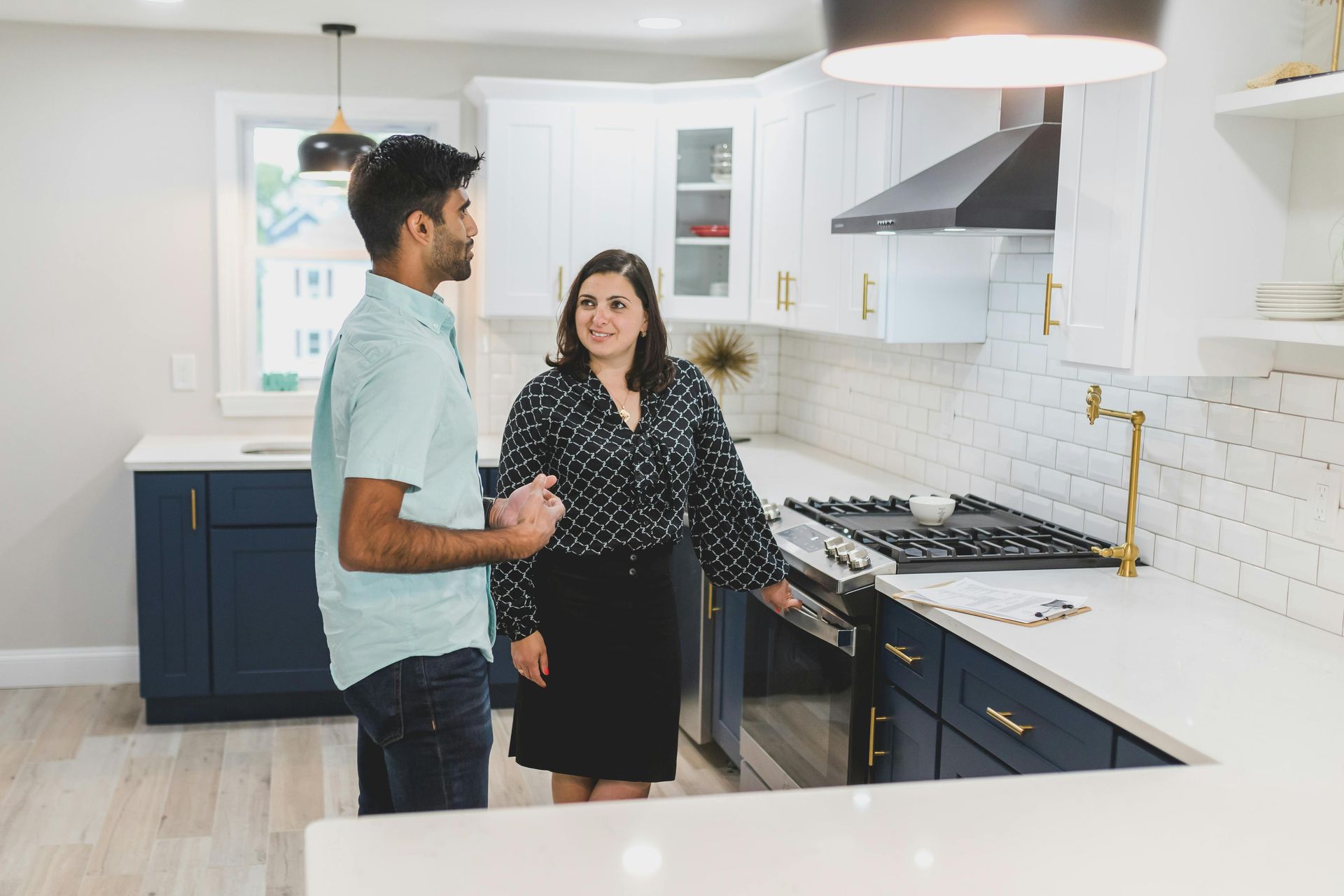
Modern kitchen remodeling Lexington projects often adapt traditional triangle concepts to accommodate multiple cooks or open-concept designs. Islands and peninsulas can serve as secondary work triangles, creating zones where different people can work simultaneously without interfering with the primary cooking area.
Adapting for Modern Lifestyles
Contemporary families often require flexibility beyond traditional work triangle limitations. Multiple prep areas support households where several people cook together regularly. Consider creating coffee stations separate from main cooking areas to prevent morning congestion. Homework zones with charging stations keep family activities organized while maintaining kitchen functionality.
Open-concept designs may require modified triangle approaches that account for living and dining areas. Professional designers understand how to maintain cooking efficiency while creating seamless transitions between different spaces.
Maximizing Storage and Organization
Vertical Storage Solutions
Effective storage utilization extends from floor to ceiling in well-designed kitchens. Upper cabinets that reach ceiling height provide storage for seasonal items or rarely used equipment. Pull-down shelving systems make high storage accessible without compromising safety or convenience.
Consider these vertical storage enhancements:
- Tall pantry cabinets with adjustable shelving for maximum flexibility
- Wall-mounted spice racks that keep frequently used ingredients within easy reach
- Magnetic knife strips that free up valuable counter and drawer space
- Ceiling-mounted pot racks in kitchens with adequate height clearance
- Shallow wall cabinets above peninsulas or islands for additional storage without blocking sightlines
Drawer and Cabinet Organization
Modern drawer systems with full-extension slides provide complete access to stored items. Soft-close mechanisms prevent slamming while extending hardware lifespan. Drawer dividers and organizers keep utensils, tools, and small appliances organized and easily accessible.
Base cabinets benefit from pull-out shelving systems that eliminate the need to reach into deep spaces. Lazy Susans in corner cabinets maximize storage in typically difficult-to-access areas. Specialized organizers for cutting boards, baking sheets, and cleaning supplies create dedicated spaces for specific items.
| Storage Type | Best Applications | Key Benefits |
|---|---|---|
| Pull-out drawers | Base cabinets, pantries | Full access, easy organization |
| Lazy Susans | Corner cabinets | Maximum corner utilization |
| Drawer dividers | Utensil storage | Organized, visible storage |
| Pull-down shelves | Upper cabinets | Safe access to high storage |
| Vertical dividers | Baking sheets, cutting boards | Efficient narrow storage |
Creating Efficient Traffic Flow
Pathway Planning
Kitchen traffic patterns should accommodate both daily routines and entertaining scenarios. Primary pathways between the kitchen and adjacent rooms must be wide enough to prevent bottlenecks. Generally, main walkways should be at least 36 inches wide, while work aisles should have 42 to 48 inches of clearance.
Islands and peninsulas can either enhance or impede traffic flow depending on their placement. Professional kitchen remodeling Lexington contractors evaluate existing traffic patterns and recommend configurations that improve movement throughout the space.
Multi-Cook Considerations
Families with multiple cooks require careful planning to prevent conflicts during meal preparation. Secondary prep areas with their own sink access allow simultaneous food preparation without workspace competition. Separate cleanup zones keep dishwashing activities separate from active cooking areas.
Consider appliance placement that supports multiple users. Double ovens, additional dishwasher drawers, or prep sinks create independent work zones that don't interfere with primary cooking activities. These features particularly benefit households that entertain frequently or have multiple family members involved in meal preparation.
Smart Appliance Placement Strategies
Major Appliance Positioning
Refrigerator placement affects both workflow efficiency and space utilization. Position refrigerators away from heat sources like ovens or direct sunlight from windows. Allow adequate clearance for door opening, especially for French door or side-by-side models that require extra space.
Dishwasher location should prioritize convenience for loading and unloading while maintaining clear pathways. Installing dishwashers to the left of sinks accommodates right-handed users who can easily scrape and load dishes. Left-handed cooks may prefer right-side placement for their workflow preferences.
Small Appliance Integration
Built-in appliance garages keep small appliances accessible while maintaining clean counter surfaces. These cabinets provide dedicated storage for coffee makers, blenders, or food processors with convenient electrical access. Appliance garages work particularly well in corners or areas with limited counter space.
Microwave placement requires balancing accessibility with safety considerations. Wall-mounted units at appropriate heights provide easy access without compromising valuable counter space. Drawer-style microwaves integrate seamlessly into cabinetry while remaining accessible for all family members.
Lighting Design for Functional Layouts
Task Lighting Essentials
Proper lighting eliminates shadows and provides adequate illumination for food preparation tasks. Under-cabinet LED strips offer excellent task lighting for countertop work areas without creating glare or heat buildup. Pendant lights over islands provide focused lighting for both prep work and casual dining.
Consider adjustable lighting options that accommodate different activities throughout the day. Dimmer controls allow for bright task lighting during meal preparation and softer ambient lighting for entertaining or casual family time.
Natural Light Optimization
Windows provide natural lighting that enhances both functionality and ambiance in kitchen spaces. However, window placement affects cabinet and appliance positioning. Work with professional designers to balance natural lighting benefits with storage and workflow requirements.
Skylights can supplement natural lighting in kitchens with limited window options. These installations require proper planning to prevent heat gain and ensure adequate waterproofing, making professional installation essential for long-term success.
Budget-Conscious Layout Improvements
Cost-Effective Updates
Kitchen remodeling Lexington projects can achieve significant layout improvements without complete overhauls. Replacing cabinet doors and drawer fronts updates the appearance while maintaining the existing cabinet boxes. This approach provides fresh styling at a fraction of full replacement costs.
Strategic appliance updates can improve functionality within existing layouts. Energy-efficient models may fit existing spaces while providing enhanced features and reduced operating costs. Professional contractors can identify opportunities for meaningful improvements within budget constraints.
Phased Renovation Approach
Large kitchen remodeling projects can be completed in phases to spread costs over time. Initial phases might focus on layout optimization and storage improvements, with aesthetic updates following later. This approach allows families to enjoy immediate functional benefits while planning future enhancements.
Professional contractors can design phased approaches that maintain kitchen functionality throughout the renovation process. Temporary solutions keep families cooking at home while permanent improvements are completed in manageable segments.
Working with Professional Contractors
Design Consultation Benefits
Experienced kitchen remodeling professionals bring valuable expertise to layout planning and design decisions. They understand local building codes, permit requirements, and structural limitations that affect renovation possibilities. Professional consultation can prevent costly mistakes while identifying opportunities homeowners might overlook.
Quality contractors provide detailed project timelines and maintain clear communication throughout the renovation process. They coordinate with subcontractors, manage material deliveries, and ensure work progresses according to schedule while maintaining high-quality standards.
Selecting the Right Team
Research potential contractors through online reviews, Better Business Bureau ratings, and local references. Licensed and insured professionals provide protection and accountability for your investment. Family-owned businesses often provide personalized service and strong community connections that benefit homeowners throughout the project lifecycle.
Request detailed proposals that outline the scope of work, materials specifications, and project timelines. Compare proposals carefully, considering both price and value factors that affect long-term satisfaction with your kitchen remodeling investment.
Frequently Asked Questions
How much space should I plan around a kitchen island?
Plan at least 36 inches of clearance around all sides of an island for basic traffic flow. Increase this to 42-48 inches if the island includes seating or appliances that require door clearance.
What's the ideal height for kitchen countertops?
Standard countertop height measures 36 inches, which works well for most adults. Consider varying heights for different tasks, with prep areas at 32-34 inches and serving areas at 42 inches for optimal comfort.
Can I move plumbing during my kitchen remodel?
Plumbing can typically be moved, but costs increase significantly if major line relocations are required. Work with experienced contractors to understand feasibility and budget implications for your specific layout goals.
How do I determine the right cabinet depth for my kitchen?
Standard base cabinets measure 24 inches deep, while upper cabinets typically measure 12 inches deep. These dimensions provide good storage capacity while maintaining comfortable reach distances for most users.
What kitchen layout works best for small spaces?
Galley layouts maximize efficiency in small spaces by creating parallel work zones. L-shaped configurations work well in slightly larger areas, while U-shaped layouts provide maximum storage and counter space when dimensions allow.
Final Thoughts
Successful kitchen remodeling projects in Lexington combine thoughtful planning with professional expertise to create layouts that serve families effectively for years to come. Focus on optimizing workflow patterns, maximizing storage efficiency, and creating spaces that accommodate your household's specific needs and cooking habits. Professional contractors bring valuable experience in navigating local requirements while delivering quality results that enhance both daily functionality and long-term home value.
Transform your kitchen with expert layout planning and professional installation. Contact N. Edwards Enterprises for a free consultation and discover how proper planning can create the functional kitchen your family deserves.
Reference:
https://www.bbb.org/