Choosing the Right Flooring for Your Remodel in Concord
When planning a Concord home remodeling project, your flooring choice affects your home's look, comfort, and value for years to come. The right floors should match how you live, fit your budget, and work well in North Carolina's climate. With so many options available across the Piedmont region, it helps to understand what works best for different rooms and lifestyles.
Key Takeaways
- Choose materials based on room use, foot traffic, and moisture levels
- Factor in both purchase price and ongoing care costs
- Professional installation protects your investment and warranties
- North Carolina's humidity affects how different materials perform
- Quality flooring typically increases home value • Plan installation timing with other remodeling work
Popular Flooring Materials
Hardwood: A Classic Choice
Hardwood floors remain popular in flooring Concord, NC, projects because they last for decades and hold their value. You can choose solid wood planks or engineered versions that handle humidity changes better.
Common wood types include:
- Oak - Strong wood with visible grain, takes stain colors well
- Maple - Light colored with smooth grain, good for modern looks
- Cherry - Reddish color that gets richer over time
- Hickory - Very hard wood with bold grain patterns
- Bamboo - Fast-growing alternative with straight grain lines
Installation needs time for the wood to adjust to your home's temperature and humidity. Most contractors recommend solid wood for main floors and engineered wood for basements or over concrete. The typical acclimation period runs 3-7 days, depending on the wood species and local humidity levels.
Solid hardwood works best in living areas, bedrooms, and dining rooms where moisture stays consistent. Engineered hardwood uses a real wood top layer over a plywood base, making it more stable in areas with temperature changes, such as kitchens or finished basements.
Luxury Vinyl Plank: Practical and Good-Looking
Luxury vinyl plank (LVP) looks like real wood or stone but handles water and daily wear much better. Because of these features, LVP is great for kitchens, bathrooms, and busy family areas where spills happen regularly.
Why homeowners choose LVP:
- Completely waterproof for any room
- Easy to clean with just sweeping and mopping
- Comfortable to walk on, especially with padding underneath
- Many types snap together for easier installation
- Costs less than hardwood while looking similar
Quality varies a lot between brands. Better products have thicker wear layers, more realistic textures, and stronger locking systems that last longer. Look for wear layers at least 12 mil thick for normal home use, or 20 mil for high-traffic areas.
The core material also matters. Stone-plastic composite (SPC) cores handle temperature changes better than wood-plastic composite (WPC) cores. SPC works well over concrete slabs and in rooms with big windows where temperature swings happen.
Tile: Built to Last
Ceramic and porcelain tiles work well in flooring Winston-Salem homes because they handle heavy use and moisture without problems. Today's tiles can look like wood, stone, or fabric while keeping all of tile's practical benefits.
Main tile types:
- Ceramic - Good value with protective coating, fine for normal use
- Porcelain - Denser and stronger, better for high-traffic spots
- Natural stone - Each piece looks different, needs regular sealing
- Glass - Reflects light well, mostly used for accents
Good flooring installation includes proper waterproofing and careful planning. Large tiles need fewer grout lines and look more seamless, while small tiles add texture and pattern. Porcelain tile rates for water absorption, with lower numbers meaning less water soaks in.
Tile sizes have grown larger in recent years. 12 x 24-inch planks mimic hardwood, while 24 x 48-inch tiles create dramatic looks with minimal grout lines. Smaller format tiles work better on uneven surfaces and in areas with lots of corners or angles.
Carpet: Soft and Quiet
Quality carpet makes bedrooms, living rooms, and offices more comfortable while reducing noise between floors. Modern carpets resist stains better and last longer than older versions.
Carpet materials:
- Nylon - Strongest synthetic fiber, bounces back well, and resists stains
- Polyester - Soft feel with good color, some made from recycled bottles
- Wool - Natural luxury fiber that resists dirt and won't burn easily
- Solution-dyed - Color goes all the way through, resists fading
The padding underneath affects how the carpet feels and how long it lasts. Professional installation includes proper stretching and seaming that keeps the carpet looking good. Carpet construction also matters - loop pile hides footprints better, while cut pile feels softer underfoot.
Carpet works best in bedrooms, family rooms, and home offices where comfort matters more than easy cleaning. Avoid carpet in kitchens, bathrooms, or entryways where spills and moisture create problems.
What Works in North Carolina
Dealing with Local Weather
North Carolina's humid summers and drier winters create challenges for some flooring materials. Wood expands when it's humid and shrinks when it's dry, which affects how it looks and performs over time.
Considerations for Flooring Winston-Salem NC projects:
- Humidity that changes from 30% to 80% throughout the year
- Temperature swings that make materials expand and contract
- Possible moisture problems in crawl spaces and basements
- Sun damage through windows and sliding doors
Good heating and cooling systems help protect any flooring you choose. Local contractors know how to handle these conditions with proper spacing, preparation time, and moisture barriers. Running your HVAC system during installation helps materials adjust to normal living conditions.
Many homes in the area have crawl spaces that can develop moisture problems. Proper vapor barriers and ventilation prevent humidity from reaching your floors from below. Concrete slabs need moisture testing before installation to avoid problems with adhesives and materials.
Getting the Base Right
Your new floors are only as good as what's underneath them. Common problems in area homes include:
- Squeaky spots where subflooring has come loose
- Uneven areas that need leveling
- Moisture issues that require special barriers
- Old subflooring that needs strengthening
A good contractor checks these things before installing new floors, which prevents problems later and protects your warranty. Subfloor preparation might include adding screws to stop squeaks, using leveling compound to fix dips and humps, or installing new subflooring over problem areas.
The subfloor needs to be clean, dry, and structurally sound before any flooring goes down. Different materials have different requirements - hardwood needs a wood subfloor, while some luxury vinyl can go over concrete with proper preparation.
Planning Your Budget
Upfront Costs
| Flooring Type | Materials | Installation | Total Range |
|---|---|---|---|
| Hardwood | $3-12/sq ft | $2-5/sq ft | $5-17/sq ft |
| Luxury Vinyl | $2-7/sq ft | $1-3/sq ft | $3-10/sq ft |
| Tile | $1-15/sq ft | $2-6/sq ft | $3-21/sq ft |
| Carpet | $1-8/sq ft | $1-3/sq ft | $2-11/sq ft |
Prices depend on material quality, room shape, and how much prep work is needed. Flooring Salisbury NC jobs often include extra costs for:
- Fixing or strengthening the subfloor
- Adding moisture protection and padding
- Trim pieces and transition strips
- Moving furniture and removing old flooring
- Temporary flooring while work is done
Material costs vary widely within each category. Basic ceramic tile starts around $1 per square foot, while imported natural stone can cost $15 or more. The same range applies to other materials: builder-grade carpet might cost $1 per square foot installed, while premium wool carpet can run $10 or more.
Labor costs depend on installation complexity. Simple floating floors, like some luxury vinyl take less time than glue-down installations. Tile work requires more skilled labor and takes longer, especially with complex patterns or small tiles that need precise placement.
Long-Term Value
Think beyond the initial price to include cleaning costs, how long it will last, and how it affects your home's value. Hardwood usually gives the best return when you sell, while luxury vinyl offers good value for smaller budgets.
Working with experienced flooring contractors Greensboro protects your investment through proper installation and good warranties. Quality materials installed correctly can last 20-30 years or more, making the cost per year quite reasonable compared to cheaper options that need replacing sooner.
Maintenance costs vary by material. Hardwood might need refinishing every 10-15 years, which costs $3-5 per square foot. Luxury vinyl and tile need mainly routine cleaning, while carpet requires regular professional cleaning to maintain appearance and warranty coverage.
Room-Specific Considerations
Kitchens and Bathrooms
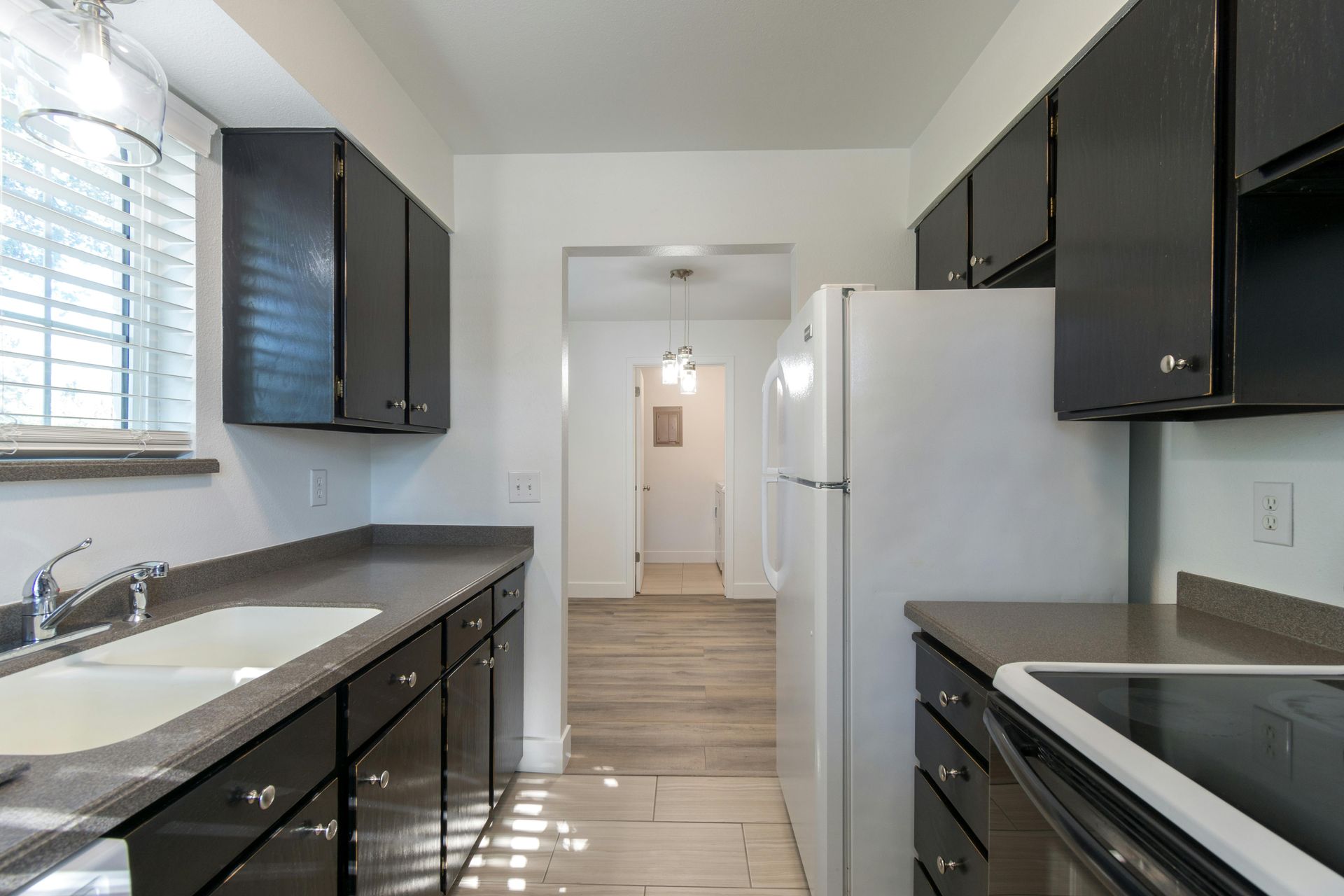
These wet areas need flooring that handles spills and humidity without damage. Tile and luxury vinyl work best, while hardwood and carpet should be avoided. Proper installation includes waterproofing behind toilets, under sinks, and around tubs and showers.
Tile offers the most design options and handles moisture best, but grout lines need regular cleaning and sealing. Luxury vinyl provides easier maintenance with no grout to worry about, but premium products cost less than quality tile.
Living Areas and Bedrooms
These rooms see moderate traffic and benefit from comfortable, good-looking flooring. Hardwood, luxury vinyl, and carpet all work well, depending on your priorities. Consider pets, children, and how much time you spend in each room.
Hardwood provides the most value and works throughout the home, but costs more upfront. Luxury vinyl gives a wood look with easier maintenance, while carpet adds comfort in bedrooms and family rooms where you spend time on the floor.
Basements and Lower Levels
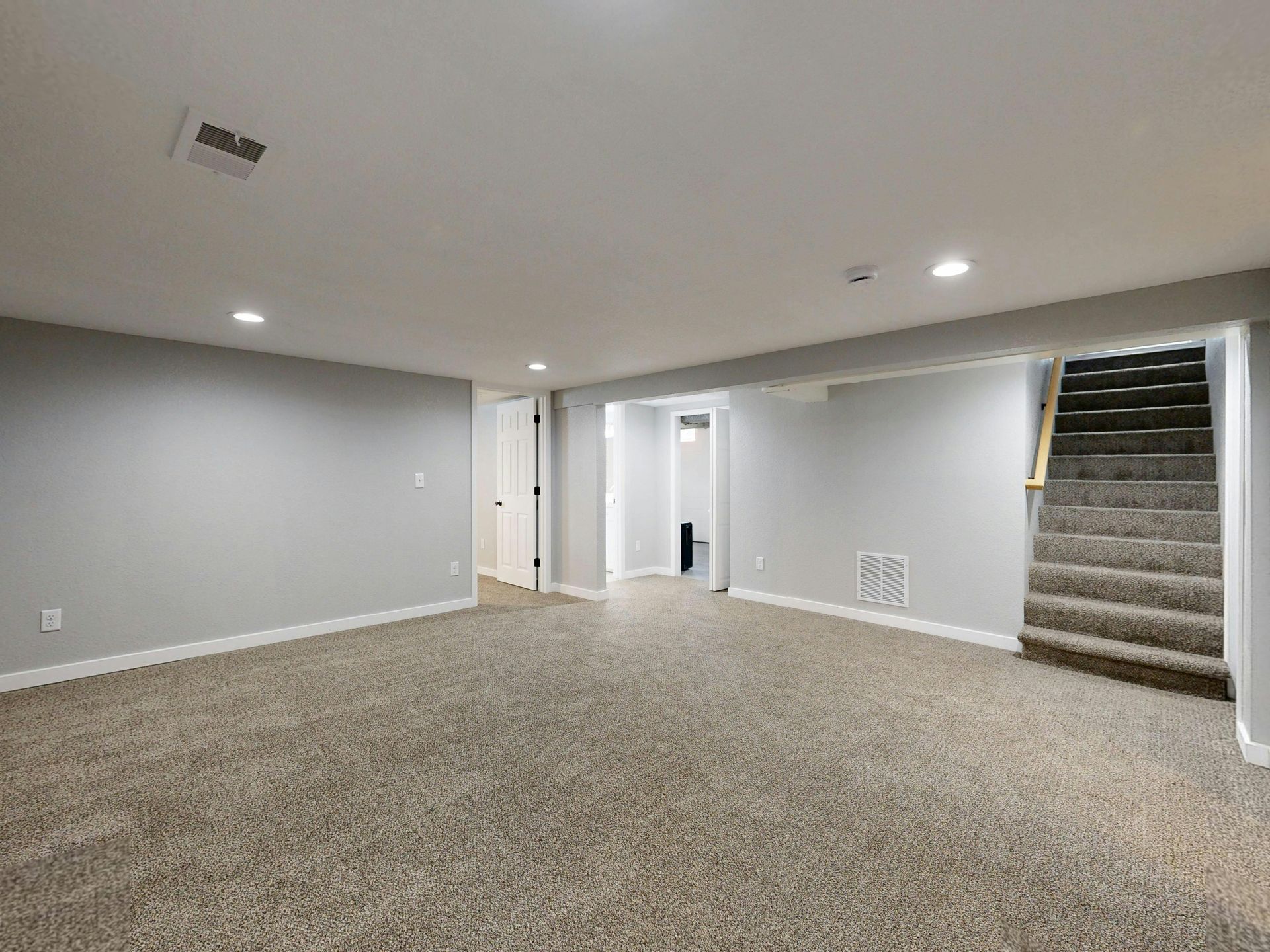
Below-grade areas need materials that handle potential moisture and temperature changes. Luxury vinyl and tile work best, while solid hardwood should be avoided. Engineered hardwood can work with proper moisture barriers and climate control.
Test concrete floors for moisture before installation. Simple plastic sheet tests can reveal moisture problems that need addressing before new flooring goes down. Proper dehumidification helps any flooring perform better in basement spaces.
Working with Contractors
Finding Good Installers
Professional installation makes your floors perform better and keeps warranties valid. Quality flooring contractors in Greensboro, NC, offer:
- Thorough checking and prep of your subfloor
- Accurate measuring and material ordering
- Professional tools and proven methods
- Warranties on both materials and their work
- Coordination with other contractors
When choosing contractors, look at their past work, check their license and insurance, and get detailed written estimates that cover every step. Ask about their experience with your chosen material and whether they handle the prep work or subcontract it out.
Good contractors explain the process, timeline, and what to expect during installation. They should also discuss how to care for your new floors and what the warranty covers. Avoid contractors who require large upfront payments or pressure you to decide immediately.
Timing Your Project
Flooring usually goes in near the end of remodeling, after:
- Electrical and plumbing rough work is done
- Walls are finished and painted
- Cabinets and fixtures are installed
- Heating and cooling systems are running
Flooring contractors in Greensboro, NC, work with other trades to get the timing right, protect finished work, and stay on schedule. Installation can take anywhere from one day for a small room to several weeks for a whole house.
Plan for some disruption during installation. You might need to stay elsewhere or live in parts of your home while work progresses. Discuss the schedule with your contractor and plan accordingly for pets, children, and daily routines.
Warranties and Protection
Good contractors back their work with solid warranties that cover both the materials and installation. Standard coverage includes:
- Manufacturer warranties on material defects
- Installation warranties typically last one to five years
- Clear rules about what normal wear, poor maintenance, and weather damage don't cover
Keep good records, follow maintenance guidelines, and understand how to make warranty claims to protect your flooring investment. Take photos before and after installation, and save all receipts and warranty information in case you need them later.
Frequently Asked Questions
How long does professional flooring installation typically take?
Most home projects take 2-5 days depending on the material and room size. Jobs with multiple materials or complex layouts may need more time.
What's the best flooring choice for homes with pets and children?
Luxury vinyl plank handles pets and kids well because it's waterproof and scratch-resistant. Quality hardwood also works well with proper care and maintenance.
Should I replace all flooring at once or room by room?
Doing everything at once often costs less and goes faster, but room-by-room lets you spread costs over time. Your contractor can help decide what works best for your situation.
How do I know if my subfloor needs repair before installation?
Look for squeaking, soft spots, visible damage, or uneven areas. A professional inspection will find problems that need fixing before new floors go in.
What maintenance is required for different flooring types?
Hardwood needs refinishing every few years and careful moisture control. Luxury vinyl just needs regular cleaning. Tile requires grout care, and carpet needs professional cleaning every 12-18 months.
Final Thoughts
The right flooring for your Concord home remodeling project depends on how you live, what you can spend, and what you want long-term. Working with experienced local contractors helps you pick the best materials and get proper installation that lasts. Whether you choose classic hardwood, practical luxury vinyl, durable tile, or comfortable carpet, good installation and regular care will keep your floors looking great for years.
Transform your Concord home with professional flooring installation. Contact our experienced team today for a free consultation and estimate tailored to your remodeling needs.
Reference:
https://www.britannica.com/technology/HVAC