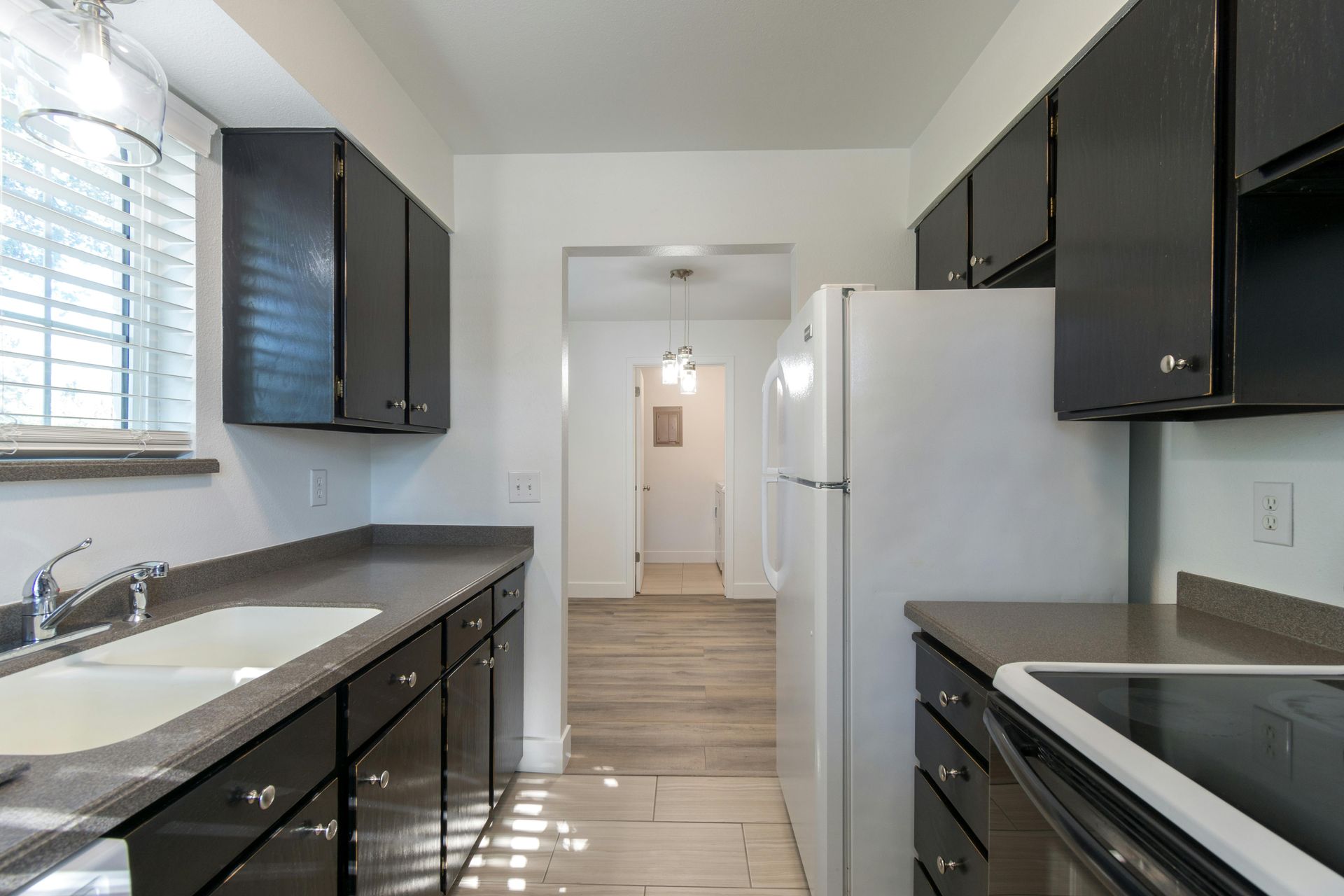
Concord Kitchen Remodeling: Smart Upgrades That Improve Functionality
Kitchen renovations in Concord require careful planning to balance functionality improvements with budget considerations. Minor kitchen remodels typically recoup 70-96% of their cost at resale, making strategic upgrades a practical investment for homeowners looking to improve daily workflow while building equity.
Key Takeaways
- Pull-out storage systems cost $40-100 per drawer to install and provide complete visibility of cabinet contents
- Work triangle spacing follows National Kitchen & Bath Association guidelines with 4-9 feet between major appliances
- Energy-efficient appliances reduce utility costs by 20-50% compared to standard models, according to ENERGY STAR data
- Multi-functional islands serve as prep, dining, and storage areas when properly sized for available space
- Professional installation prevents code violations and ensures warranty coverage on materials and workmanship
- Strategic upgrades
like cabinet refacing and countertop replacement offer higher returns than complete overhauls
Maximizing Kitchen Storage Through Practical Organization Systems
Pull-out cabinet shelves cost between $50-90 per shelf for DIY installation, while professional installation ranges from $40-100 per drawer. These systems address the common problem of items getting lost in deep cabinet spaces, particularly in base cabinets, where homeowners often struggle to reach stored items. Full-extension drawer slides support loads from 75-200 pounds, depending on hardware specifications.
Corner cabinet solutions are some of the most practical storage improvements for kitchen remodeling Concord projects. Magic corner systems provide 25-30% more usable storage space than traditional lazy Susans, though they require higher upfront investment. Professional general contractors in Concord, NC often recommend these solutions because they address otherwise wasted space in standard cabinet configurations.
Cabinet door organizers mount directly to existing door frames without permanent modifications to cabinet boxes. Spice racks, cleaning supply holders, and cutting board storage utilize interior door space for $20-80 per door. These organizers offer cost-effective storage improvements for budget-conscious renovations.
Storage improvement options include:
- Full-extension drawer slides - Allow complete access to stored items and support 75-200 pounds depending on hardware quality
- Adjustable shelf dividers - Create organized sections for baking sheets, cutting boards, and serving trays without permanent modifications
- Pull-out pantry systems - Transform narrow cabinets into accessible storage with multiple tiers for canned goods and dry ingredients
- Under-cabinet organizers - Mount inside cabinet doors to hold spices, cleaning supplies, or small kitchen tools
- Drawer organizer inserts - Divide drawer space into compartments for utensils and gadgets with removable dividers
- Lazy Susan mechanisms - Provide 360-degree access to corner storage areas with rotating shelves
Understanding the Kitchen Work Triangle: Guidelines and Traffic Flow
The kitchen work triangle connects three primary work centers: the sink, cooking surface, and refrigerator. According to the National Kitchen & Bath Association guidelines, each leg of this triangle should measure between 4 and 9 feet, with the total perimeter not exceeding 26 feet. These measurements help maintain efficient movement while providing adequate workspace around each appliance.
Work aisle width requirements specify 42 inches of clearance for single-cook kitchens and 48 inches for multiple cooks. These measurements represent the distance between countertop fronts, tall cabinets, and appliances. Professional kitchen renovation Concord teams follow these guidelines to prevent traffic bottlenecks during meal preparation periods.
Traffic pattern analysis reveals that kitchen layouts should avoid forcing people to walk through active cooking areas to reach other parts of the home. Kitchen peninsulas and islands should not interrupt the work triangle by more than 12 inches to maintain optimal traffic flow.
Counter space allocation follows specific NKBA recommendations for each work zone. The refrigerator needs 15 inches of landing space on the handle side, while cooking surfaces require 12-15 inches of heat-resistant counter space for hot cookware.
Modern kitchen layouts often extend beyond the basic triangle to include additional work zones:
- Prep zone requirements - 36-42 inches of continuous counter space for cutting and food preparation tasks
- Cleanup zone spacing - 24 inches of counter space adjacent to the sink for dish drying and cleanup activities
- Cooking zone clearances - 15 inches of counter space on each side of the cooking surface, with at least 9 inches minimum
- Storage zone access - Clear pathways to refrigerator and pantry areas without door conflicts or traffic interference
- Serving zone layout - Counter space near dining areas for plating food without crossing active cooking zones
Kitchen layouts must accommodate specific spacing requirements for safe and efficient operation. The prep zone needs 36-42 inches of continuous counter width, while cooking areas require 15 inches of clearance on both sides of ranges and cooktops. Cleanup zones function best with 24 inches of counter space adjacent to the sink for dish drying and food preparation cleanup.
Adding Practical Technology Features to Your Kitchen
Smart appliance adoption has increased as prices become more accessible to average homeowners. ENERGY STAR-certified refrigerators, dishwashers, and ranges typically use 20-50% less energy than standard models. Induction cooktops heat food faster than gas or electric alternatives while using less energy during operation.
Installation considerations for Concord contractors include electrical capacity upgrades for high-powered appliances. Most smart appliances require dedicated circuits, and older homes may need electrical panel updates to support modern kitchen demands. Professional installation ensures proper ventilation, electrical connections, and warranty compliance.
Practical technology additions include:
- Under-cabinet LED lighting - Reduces energy costs compared to halogen task lighting while providing better visibility for food preparation
- Electrical outlets with USB ports - Allow device charging without occupying standard outlet space for kitchen appliances
- Timer-controlled exhaust fans - Automatically clear cooking odors and moisture without manual operation
- Programmable thermostats for warming drawers - Maintain food temperatures for serving without overcooking or drying
Designing Functional Kitchen Islands
Kitchen islands require 42-48 inches of clearance on all sides for single-cook operation, with 48 inches needed for multi-cook households according to NKBA guidelines. Islands smaller than 4 feet by 2 feet often create more obstacles than functional workspace, while oversized islands can interrupt traffic flow between work zones.
Storage integration maximizes island functionality without sacrificing aesthetics. Base cabinets with adjustable shelves accommodate varying storage needs, while deep drawers work well for pots, pans, and serving pieces. Electrical planning should include outlets for small appliances and charging devices.
Island design considerations:
- Counter overhang dimensions - 12-15 inches of overhang provides comfortable seating for standard-height stools
- Plumbing connections - Secondary sinks require proper venting and waste connections to existing drain systems
- Ventilation requirements - Island cooktops need overhead ventilation or downdraft systems to meet building codes
- Structural support - Large islands may require additional floor joists or support beams, depending on size and features
Selecting Energy-Efficient Appliances and Fixtures
ENERGY STAR appliances typically cost 10-50% more upfront than standard models but reduce operating costs through lower energy consumption. Refrigerators with the ENERGY STAR label use 15% less energy than models that meet federal minimum standards. LED lighting uses 75% less energy and lasts 25 times longer than incandescent bulbs, with typical lifespans of 15,000-25,000 hours.
Induction cooking surfaces heat cookware directly through electromagnetic energy, achieving faster cooking times with precise temperature control. Gas ranges require proper ventilation to remove combustion byproducts, while electric ranges need dedicated 240-volt circuits for optimal performance. Induction cooktops cost $1,200-3,000, depending on size and features, but provide superior energy efficiency compared to gas or electric alternatives.
Refrigerator efficiency depends on the size, features, and age of the unit. Models manufactured before 2001 use approximately twice as much energy as current ENERGY STAR certified units. Side-by-side configurations typically consume more energy than top-freezer or bottom-freezer designs due to increased surface area and more complex cooling systems.
Dishwasher efficiency ratings measure both energy and water consumption. Standard models use 6-16 gallons per cycle, while ENERGY STAR-certified dishwashers use 3.5 gallons or less. Soil sensors automatically adjust cycle length and water temperature based on dish cleanliness, reducing unnecessary energy consumption for lightly soiled loads.
Energy efficiency improvements typically qualify for utility rebates and tax credits:
- ENERGY STAR refrigerators - Qualify for rebates of $50-150 depending on local utility programs
- LED lighting retrofits - Reduce electricity consumption for task and ambient lighting by 60-75%
- High-efficiency dishwashers - Use 12% less energy and 30% less water than standard models
- Convection cooking features - Reduce cooking times by 25% compared to conventional ovens
- Window replacements - Double-pane windows reduce heat loss and improve kitchen comfort during extreme weather
- Insulation upgrades - Proper insulation around electrical outlets and switch boxes prevents air leaks that affect heating and cooling costs
Working with Licensed Contractors for Kitchen Renovations
Building codes require permits for electrical, plumbing, and structural modifications in most jurisdictions. Licensed contractors handle permit applications and schedule required inspections for electrical panel upgrades, gas line installations, and ventilation system modifications. DIY installations often void manufacturer warranties and may create liability issues for insurance claims.
Electrical work requires licensed electricians for circuit additions, outlet installations, and appliance connections. Modern kitchens typically need 20-amp circuits for garbage disposals and dishwashers, while electric ranges require dedicated 40-50-amp circuits. GFCI protection is mandatory for all kitchen outlets within 6 feet of water sources according to National Electrical Code requirements.
Plumbing modifications need licensed plumbers for water supply lines, drain connections, and gas line work. Moving plumbing locations adds a high cost due to floor and wall modifications required for new pipe runs. Gas line installations require pressure testing and inspection to ensure safe operation of ranges, cooktops, and other gas appliances.
Permit costs vary by location and project scope, typically ranging from $100-500 for kitchen renovations. Electrical permits cost $50-200 based on the number of circuits and panel modifications required. Plumbing permits range from $75-300 based on fixture additions and pipe modifications. Structural permits for wall removal or beam installation can cost $200-800, depending on engineering requirements.
Professional installation benefits include:
- Warranty coverage - Manufacturer warranties typically require professional installation for appliances and fixtures
- Code compliance - Licensed contractors ensure work meets current electrical, plumbing, and building codes
- Insurance protection - Professional installation provides liability coverage for potential damage or injury claims
- Permit assistance - Contractors handle permit applications, inspections, and approval processes with local building departments
- Quality assurance - Licensed professionals follow industry standards for material selection and installation techniques
- Timeline management - Experienced contractors coordinate multiple trades to minimize project delays and conflicts
Frequently Asked Questions
How much should I budget for a functional kitchen remodel in Concord?
Minor kitchen remodels typically cost $15,000-45,000 and recoup 70-96% of their value at resale according to industry reports. Major renovations can exceed $100,000 but often provide lower return percentages due to higher upfront costs.
What kitchen upgrades provide the best return on investment?
Cabinet refacing costs significantly less than replacement while providing substantial visual improvement. Countertop upgrades and stainless steel appliances consistently rank among the highest-value improvements for resale purposes.
How long does a typical kitchen renovation take to complete?
Most kitchen projects require 6-12 weeks, depending on scope and permit requirements. Custom cabinetry and structural modifications can extend timelines, while cosmetic updates like painting and hardware replacement take 1-2 weeks.
Do I need permits for kitchen functionality upgrades?
Electrical work, plumbing changes, and structural modifications require permits in most areas. Cosmetic improvements like painting, cabinet hardware, and countertop replacement typically do not need permits.
How can I maximize kitchen functionality in a small space?
Pull-out shelving systems and vertical storage organizers provide better access than fixed shelves. Wall-mounted storage and magnetic strips utilize otherwise unused space for knives, spices, and cooking utensils.
Final Thoughts
Kitchen functionality improvements provide practical benefits for daily cooking activities while building home equity through strategic upgrades. Focus on storage optimization, proper spacing between work areas, and energy-efficient appliances to create a kitchen that serves both current needs and future resale value. Professional installation ensures compliance with building codes and maximizes the return on your renovation investment.
Ready to start your Concord kitchen remodel? Contact our experienced team for a free consultation and discover how functional upgrades can transform your space while maximizing your investment return.
Reference:
https://nkba.org/planning-guidelines/